
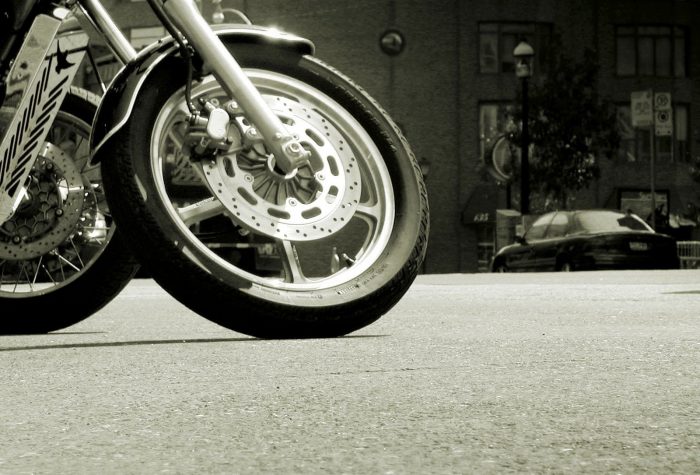
Motorcycle taxis can be a highly profitable way for people to make a living. It is a form of public transport that appears to be growing in popularity. This is likely due to the speed and manoeuvrability of these vehicles.
However, those who want to be motorcycle taxi providers should be aware of what gear they will need. Having the correct clothing and accessories will help prevent injury and may even save lives in the event of a crash. Bike riders are not encased in metal walls such as in a car. Instead, their protection from scrapes and impacts must be worn on their person.
Clothing
There are undoubtedly many options to choose from when it comes to protective clothing. However, they can easily be divided into two types; one-piece and two-piece. Traditionally bike clothing has been made from a very thick form of leather. It is strong enough to prevent scratches and has enough flexibility not to restrict the rider’s movements.
In recent years there have been advanced forms of armour that give additional shielding to the joints and back. This type of clothing contains padding that absorbs dangerous hits when the rider falls on the ground. Bike armour tends to be made from materials such as polymers, titanium and carbon fibre.
Boots
The feet of bike riders are particularly vulnerable to many dangers when the vehicle is in motion. It is essential that good quality motorcycle boots are worn while out on the road. They should be made from a resistant and robust material. Furthermore, these boots need to be purchased from a reliable supplier.
Helmet
If a crash occurs, then the head is the most vulnerable part of the body. Many lives have been saved thanks to wearing a decent motorcycle helmet. Common road ones have visors that give riders vision while also protecting their face. However, some older forms of helmet do not cover the face at all. In many countries, it is an offence not to wear a helmet while driving a motorbike. This is even more important if the bike is being used to taxi passengers.
Gloves
The hands can be overlooked when it comes to motorbike safety. The fact is, that when a rider is falling, they tend to cushion the impact with their hands. Therefore thick gloves need to be worn so that the risk of breaking finger and wrist bones is minimised.
Goggles
As previously stated some helmets do not cover the face. If this is the case, then riders should wear goggles to protect their eyes. These will stop dust and other debris from obscuring their vision. In this regard, they are beneficial for preventing crashes.
 nd to pass a language test before taking the famous knowledge exam.
 ers start to add up. You need to buy a car that combines looks, performance, and luxury to make it in this highly competitive industry. And the cost of a brand new vehicle is anywhere between $10,000 to $20,000.
 ealized that some of his trade-ins stayed in the yard for a painfully long time. So he decided to make these cars useful by turning them into cabbies.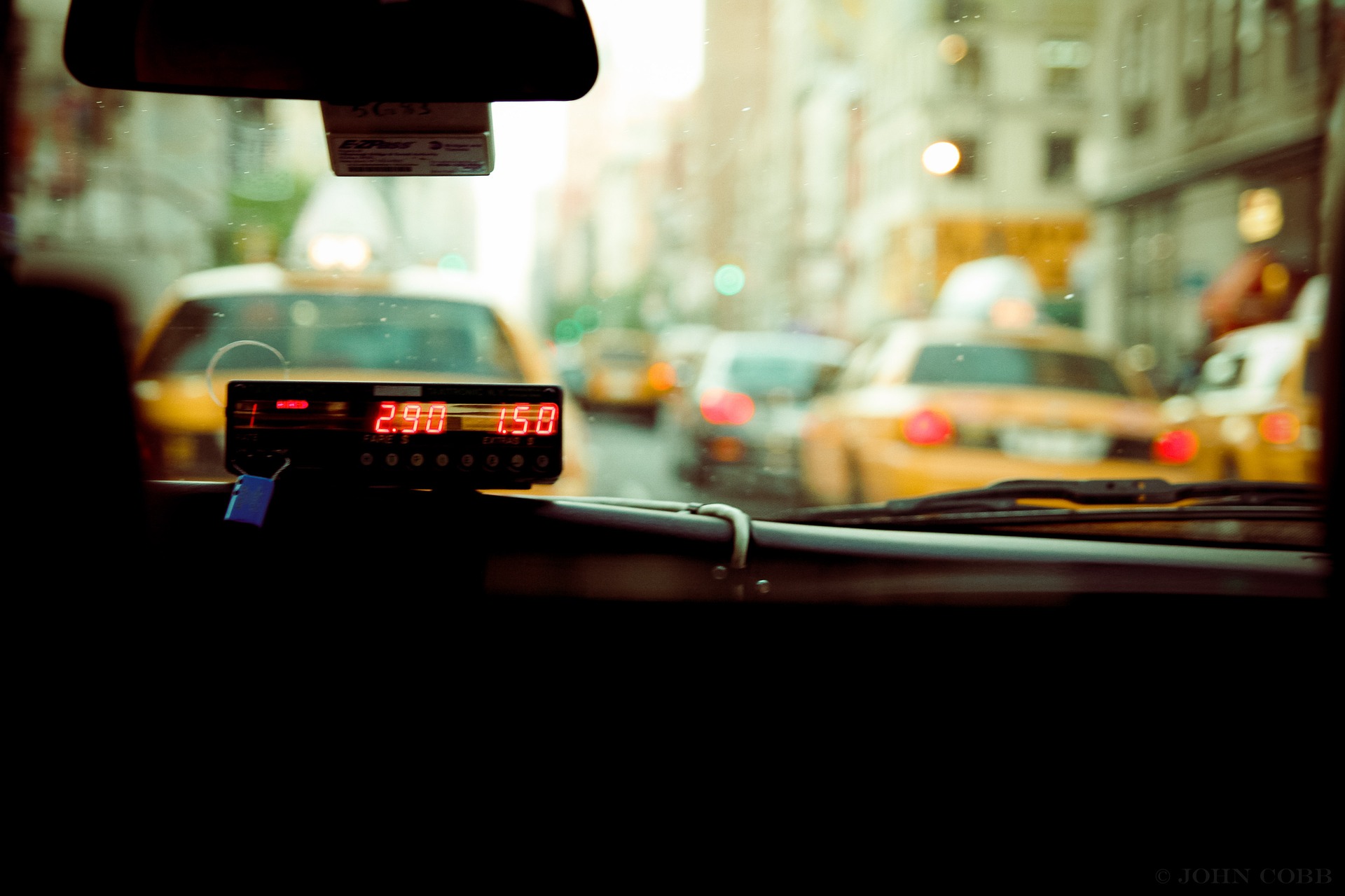
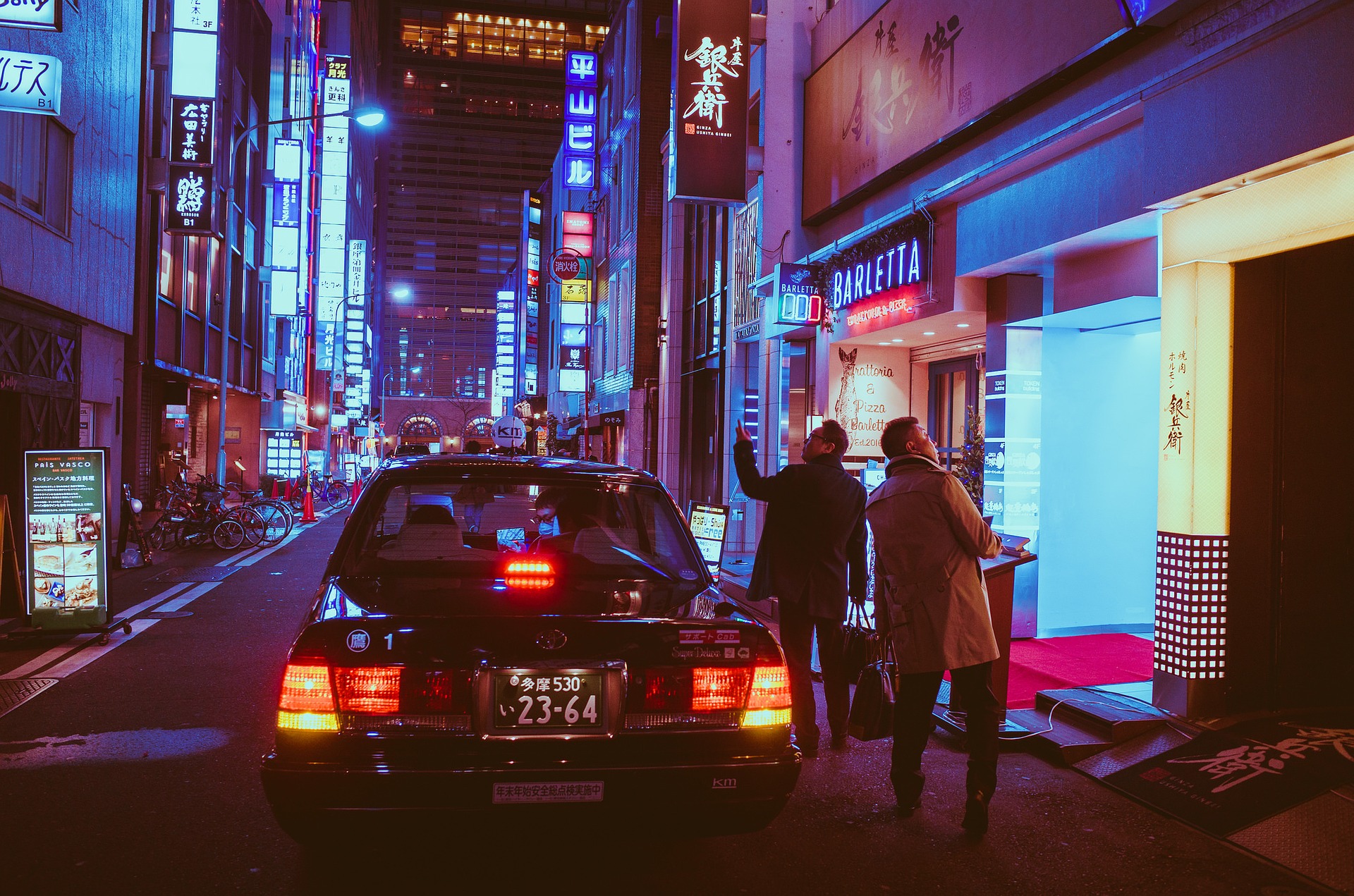
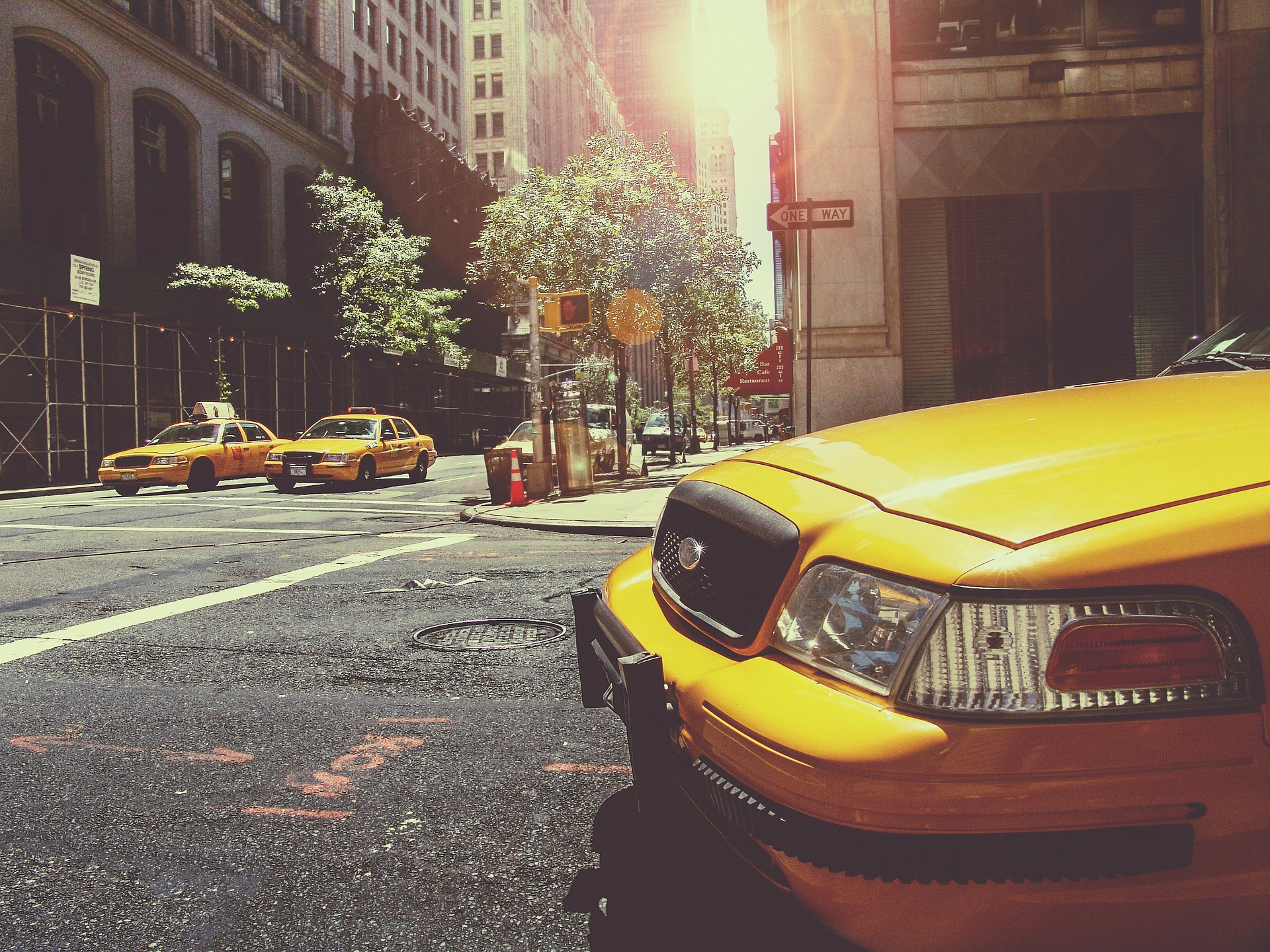 s to introduce carriage hire. But it wasn”t long before these two cities became chaotic after so many people tried to get into the business. And that called for regulation. After that, the industry evolved with the automobile sphere to what it is today.
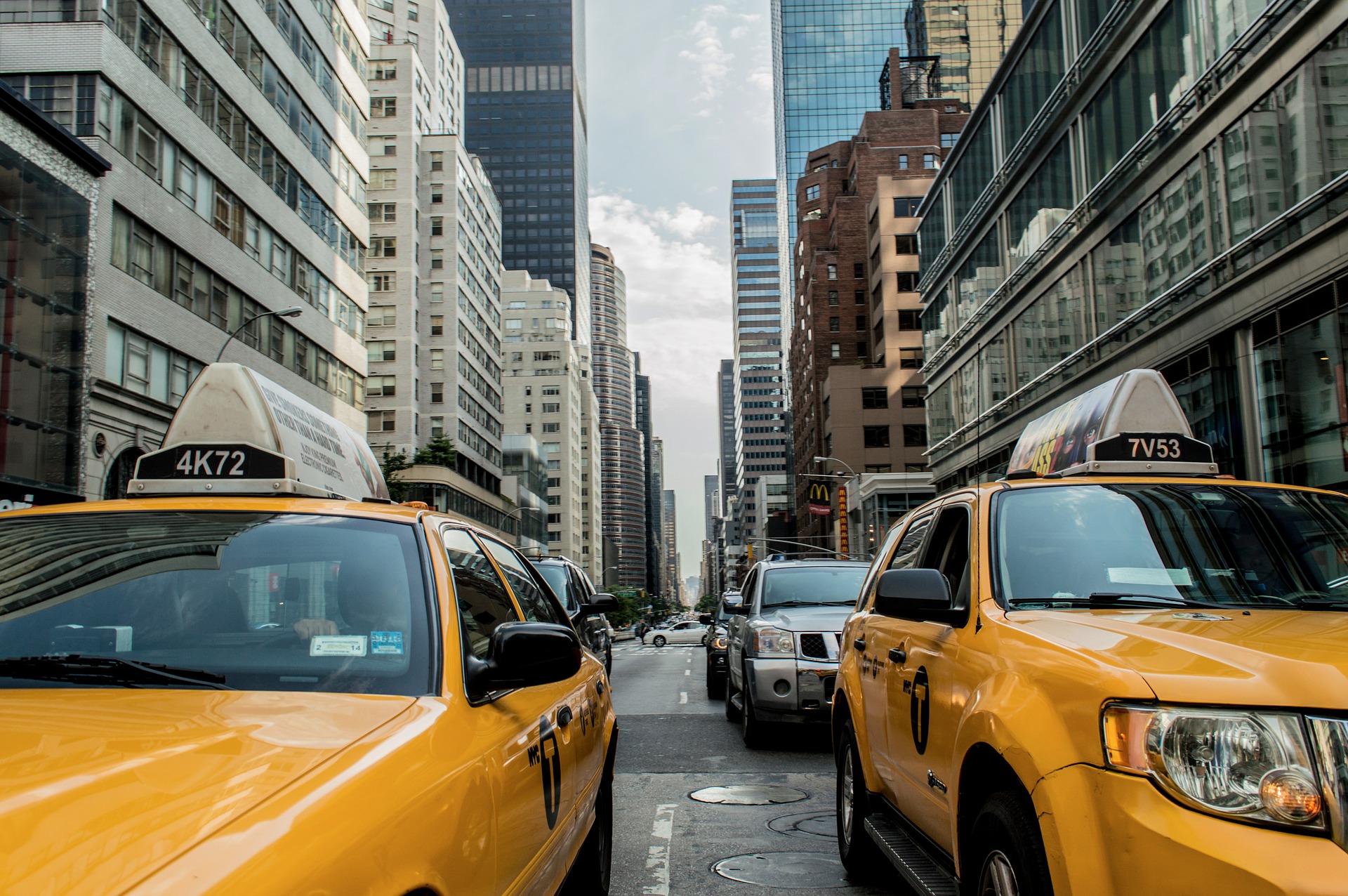 and taxi companies may have stringent controls in place which make them safer.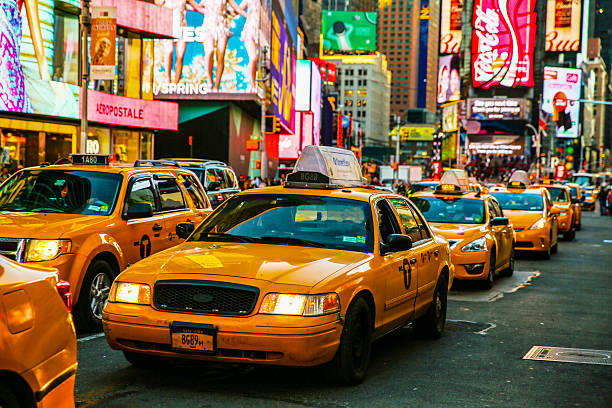
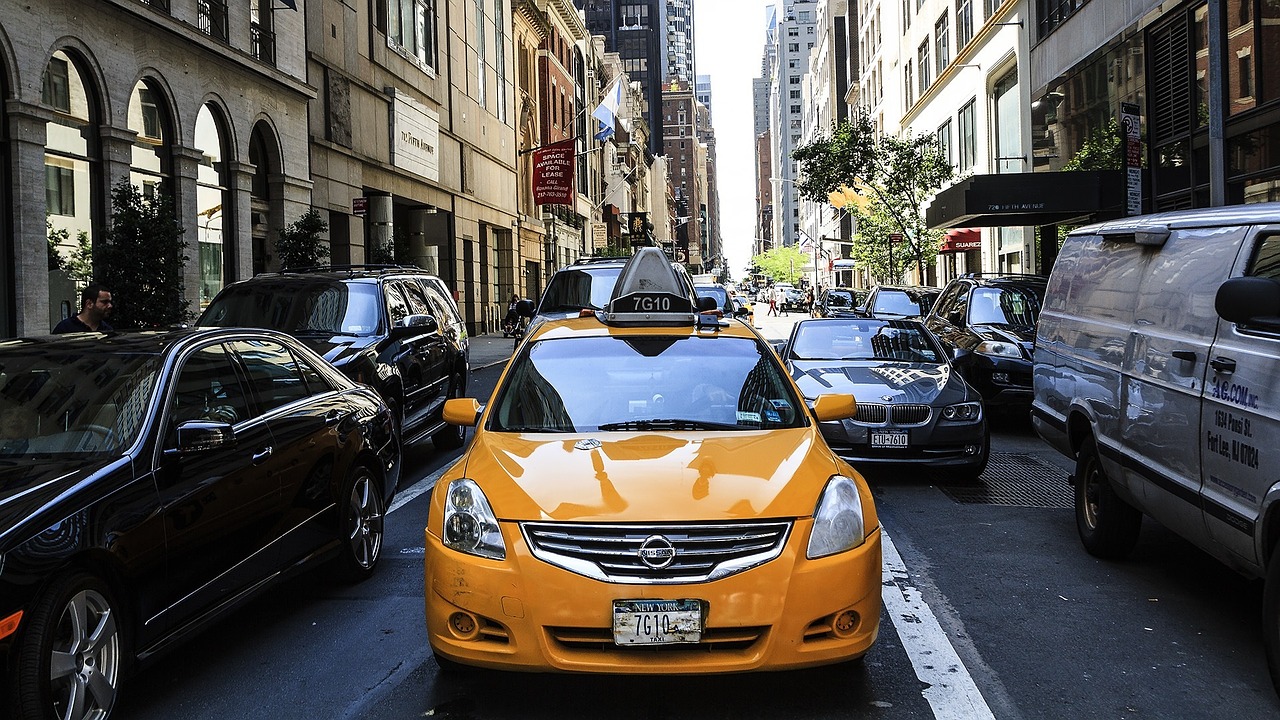
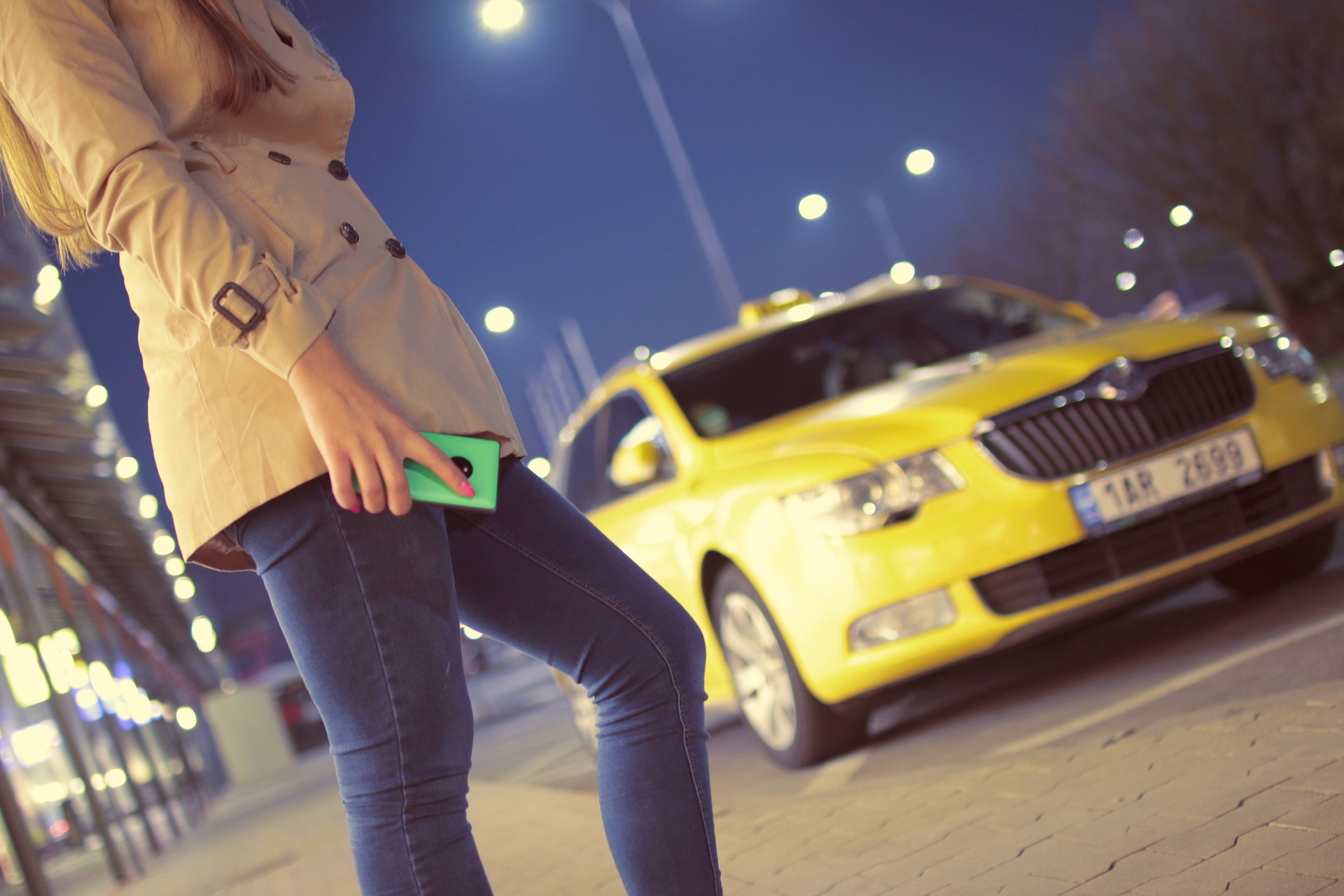
 If the “for hire” sign is lit up in a taxi, that typically means there is no passenger inside, and that it is available for you to hail. You can easily find, and access, taxis at train stations, hotels, etc. For larger groups, it is definitely advised to book travel in a minibus or bigger vehicle, as taxis can”t take more than five people legally.
 h2>A Taste of Luxury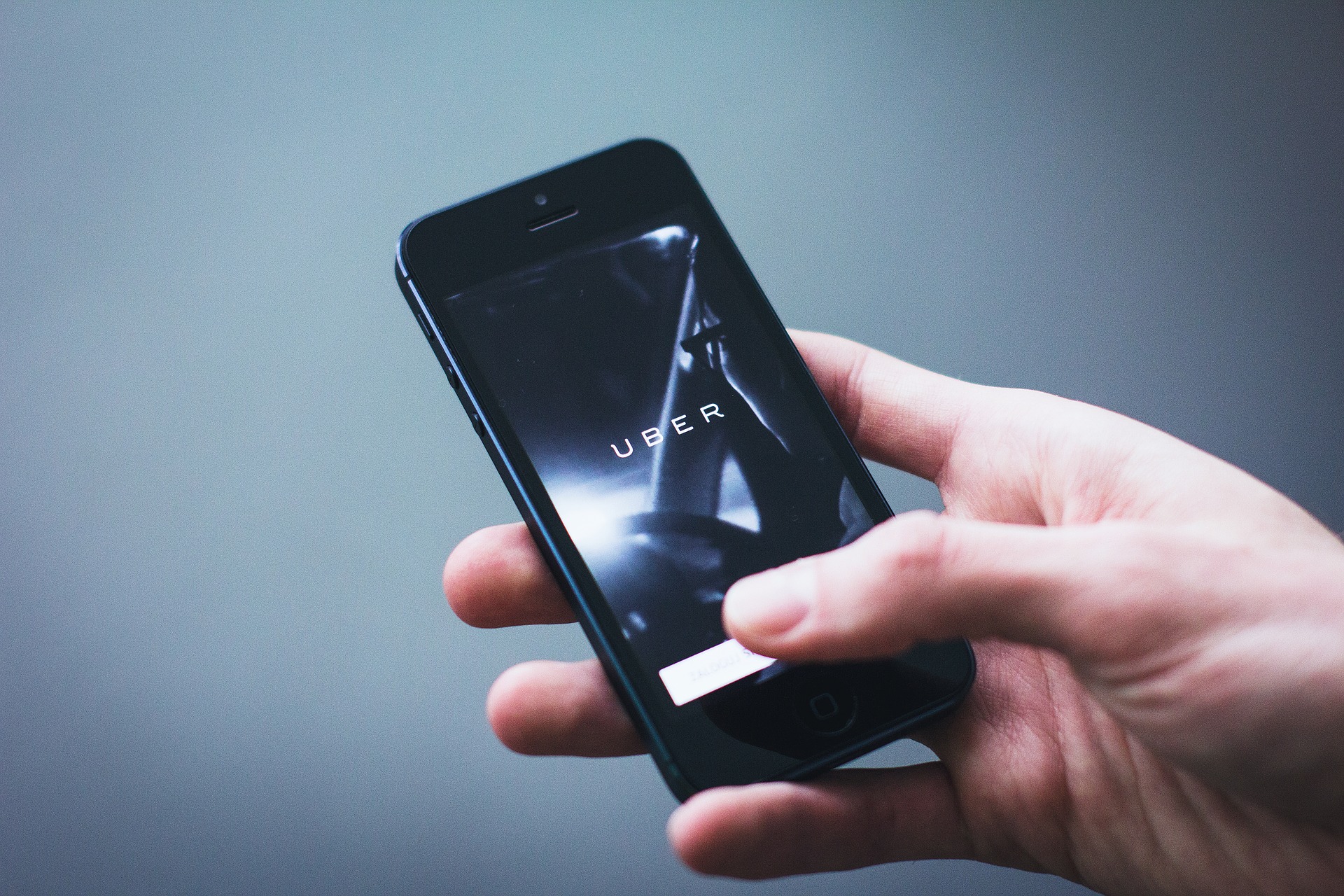
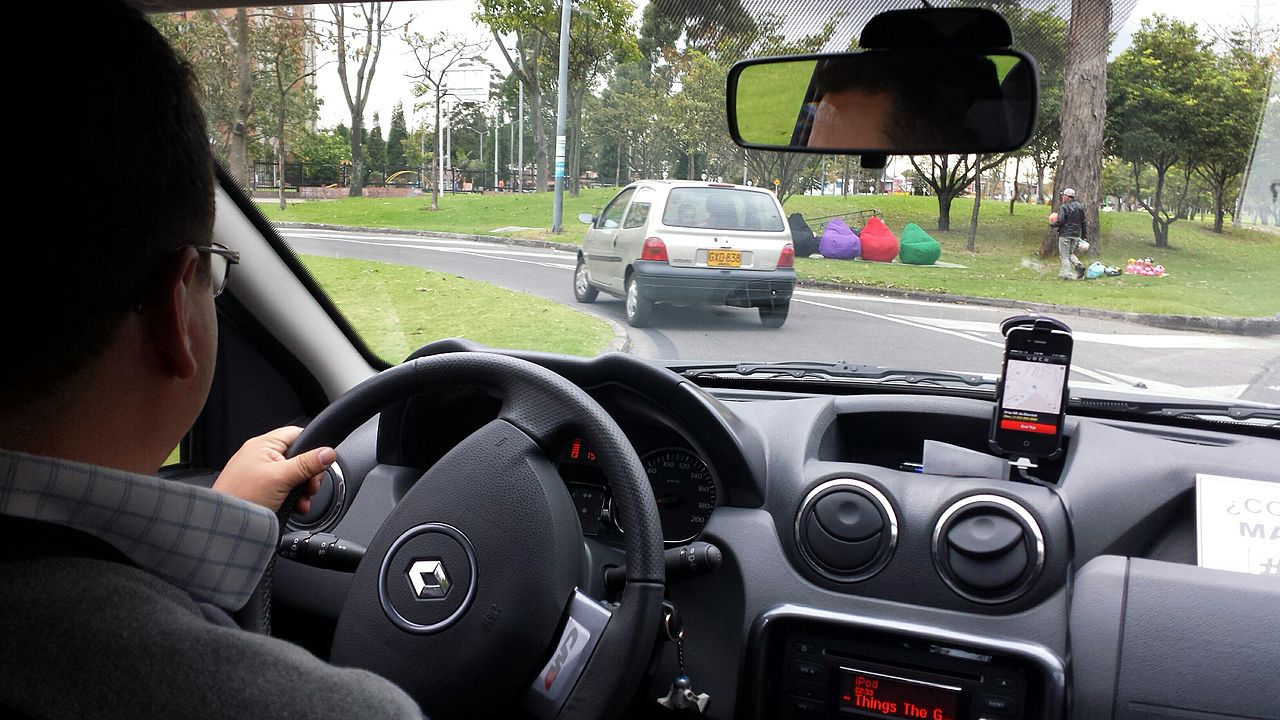 s or newer, pass Uber inspection, and have all the necessary government registrations.
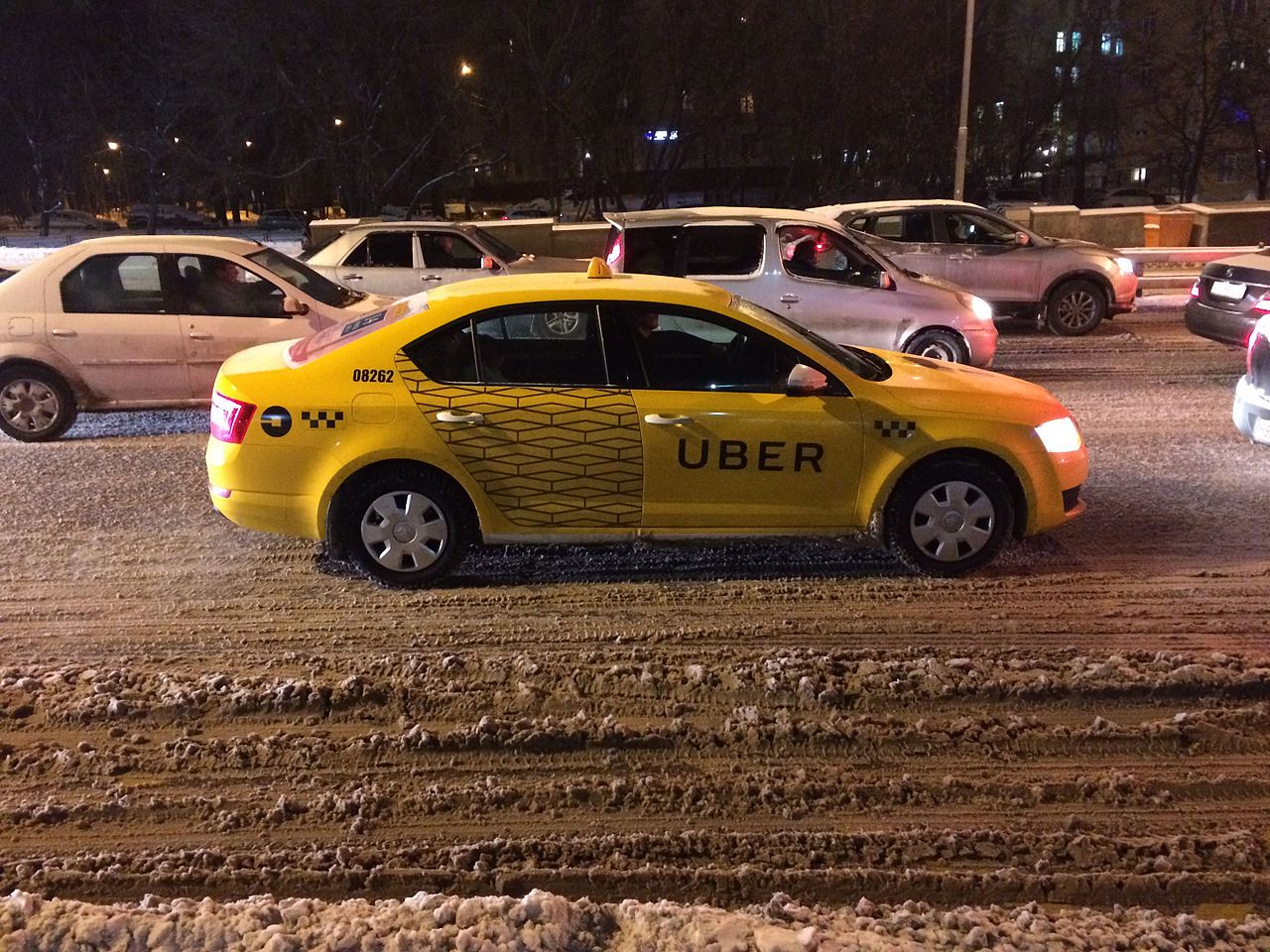 rror, display a fare structure, and have a card reader. Uber drivers need a well-maintained car, GPS, and an app – that”s it.
 urtroom battle that ended in Uber paying $77,925 in fines. The company later exited the market altogether.